Agriculture
Industrial hemp at working scale
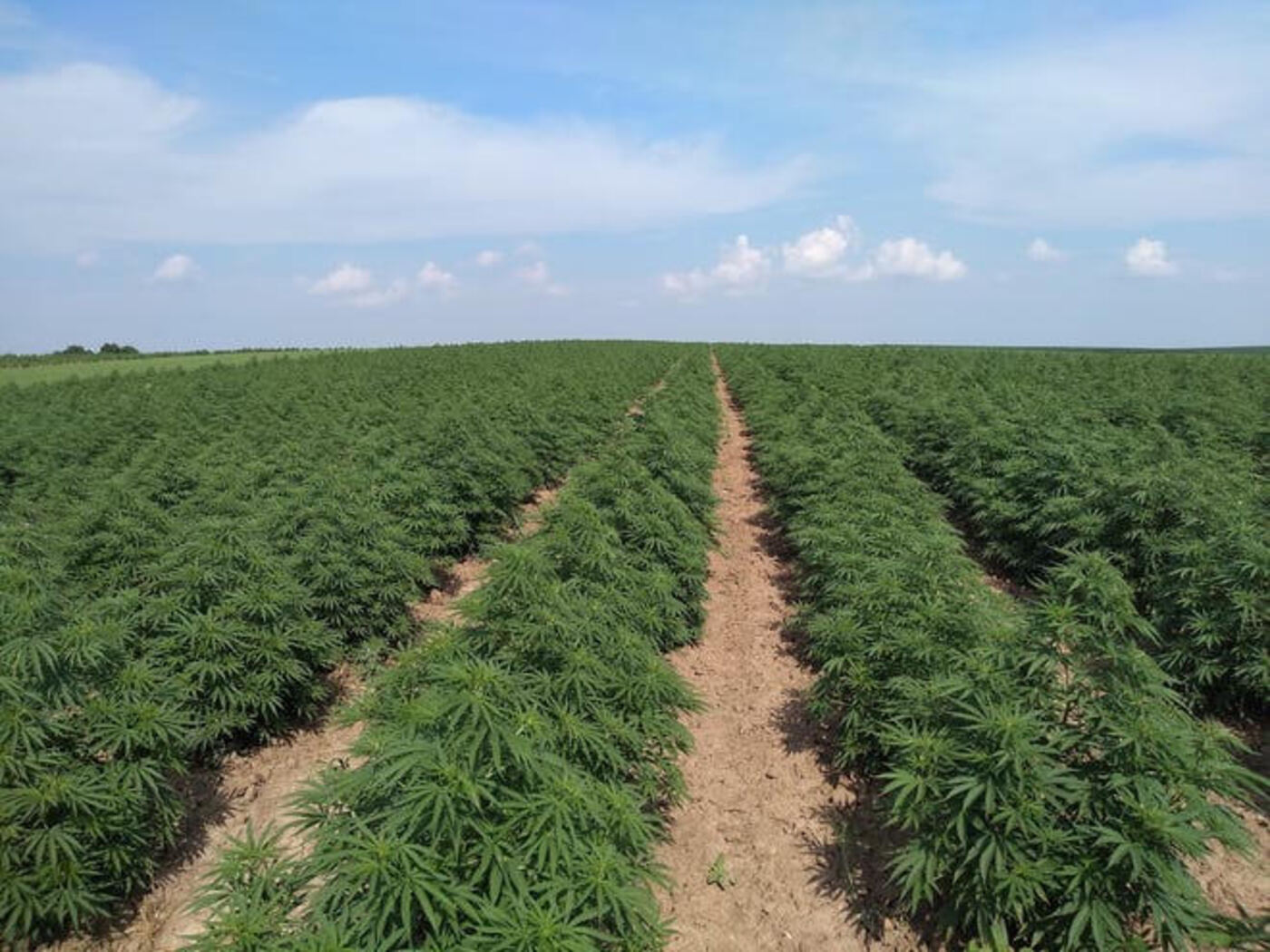
A grower network across the United States has produced more than 10,000 acres of industrial hemp as feedstock for fiber, hurd, and grain. The crop is planted, harvested, and contracted as a commodity.
 Consolidated Carbon
Materials development · Industrial hemp
Consolidated Carbon develops end-market materials from agricultural commodities, with a focus on industrial hemp. University programs, national laboratories, corporate partners, and internal process knowledge are used to take feedstock through a scientific development path and into specifications that major markets already buy against.
Mission
To contribute to a cleaner, smarter, and more resilient future through discovery and innovation using bio-based materials — and to turn agricultural commodities into products industry can specify and purchase.
Work
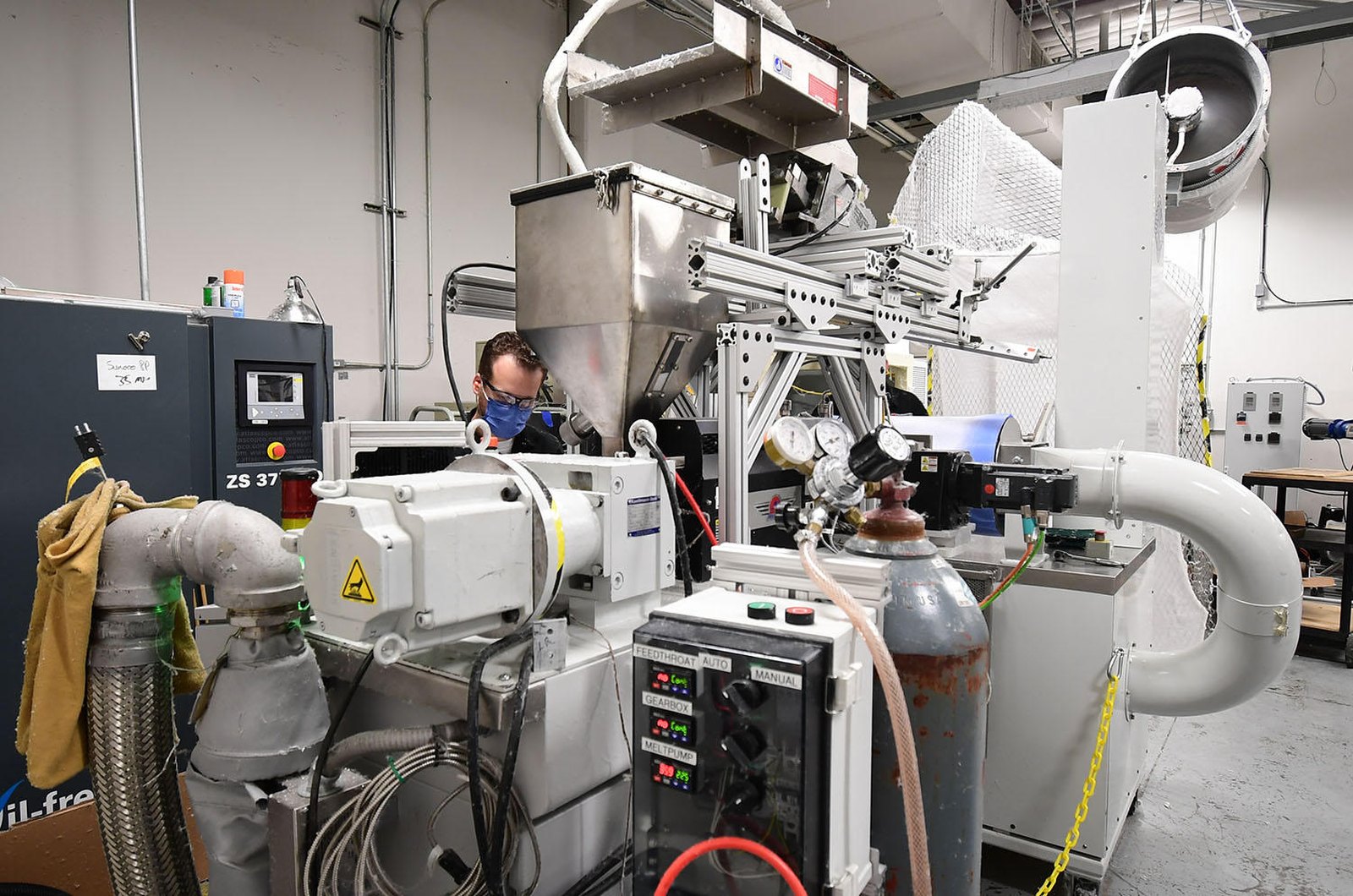
The categories are simple. Grow the crop at commercial acreage. Separate it into usable fractions. Move those fractions into materials with partners who can take a lab result to a purchase order.
Agriculture
A grower network across the United States has produced more than 10,000 acres of industrial hemp as feedstock for fiber, hurd, and grain. The crop is planted, harvested, and contracted as a commodity.
Processing
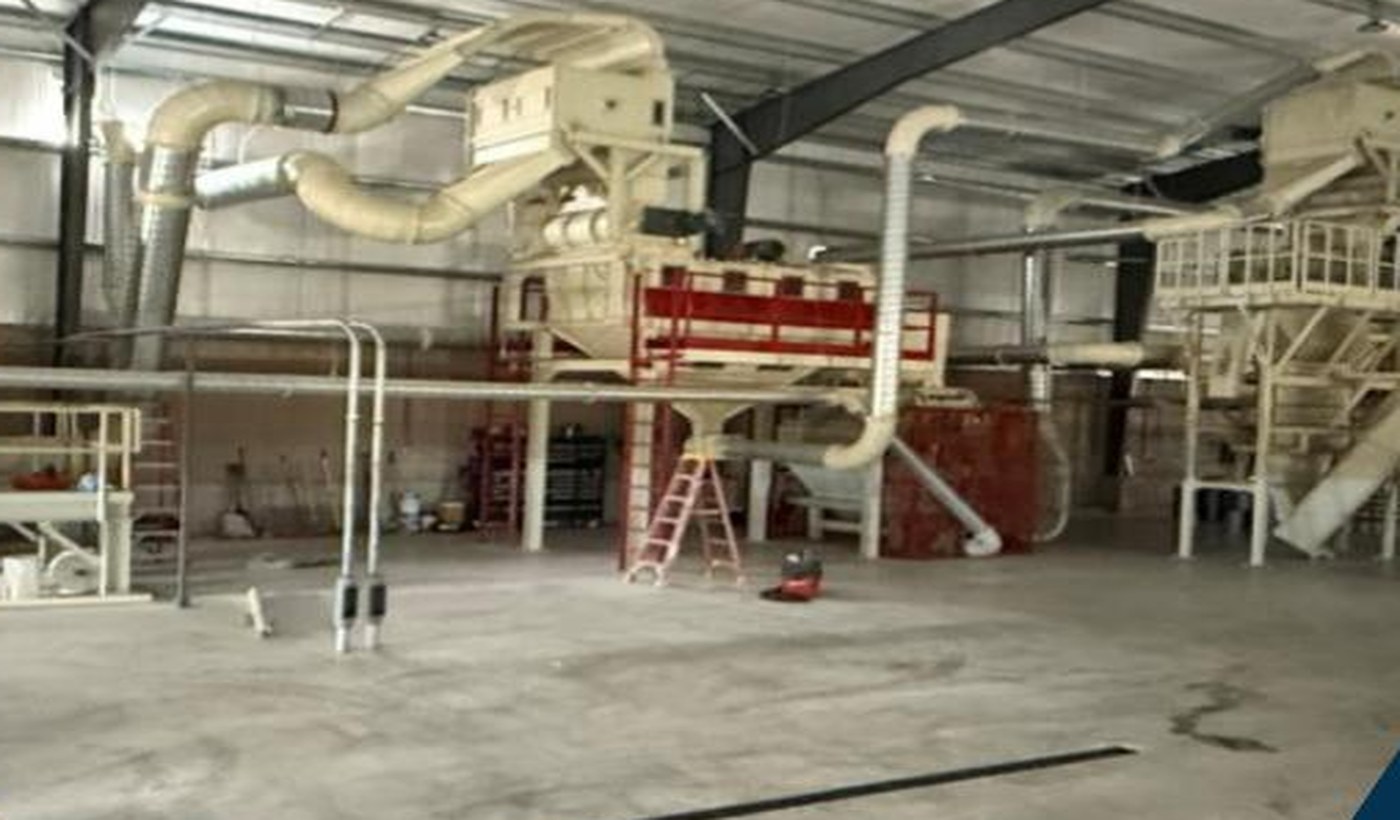
A full decortication plant is in operation, with fractionation and pretreatment designed for high throughput. Harvested material is separated into grain, fiber, and hurd at specifications buyers can run.
Commercialization
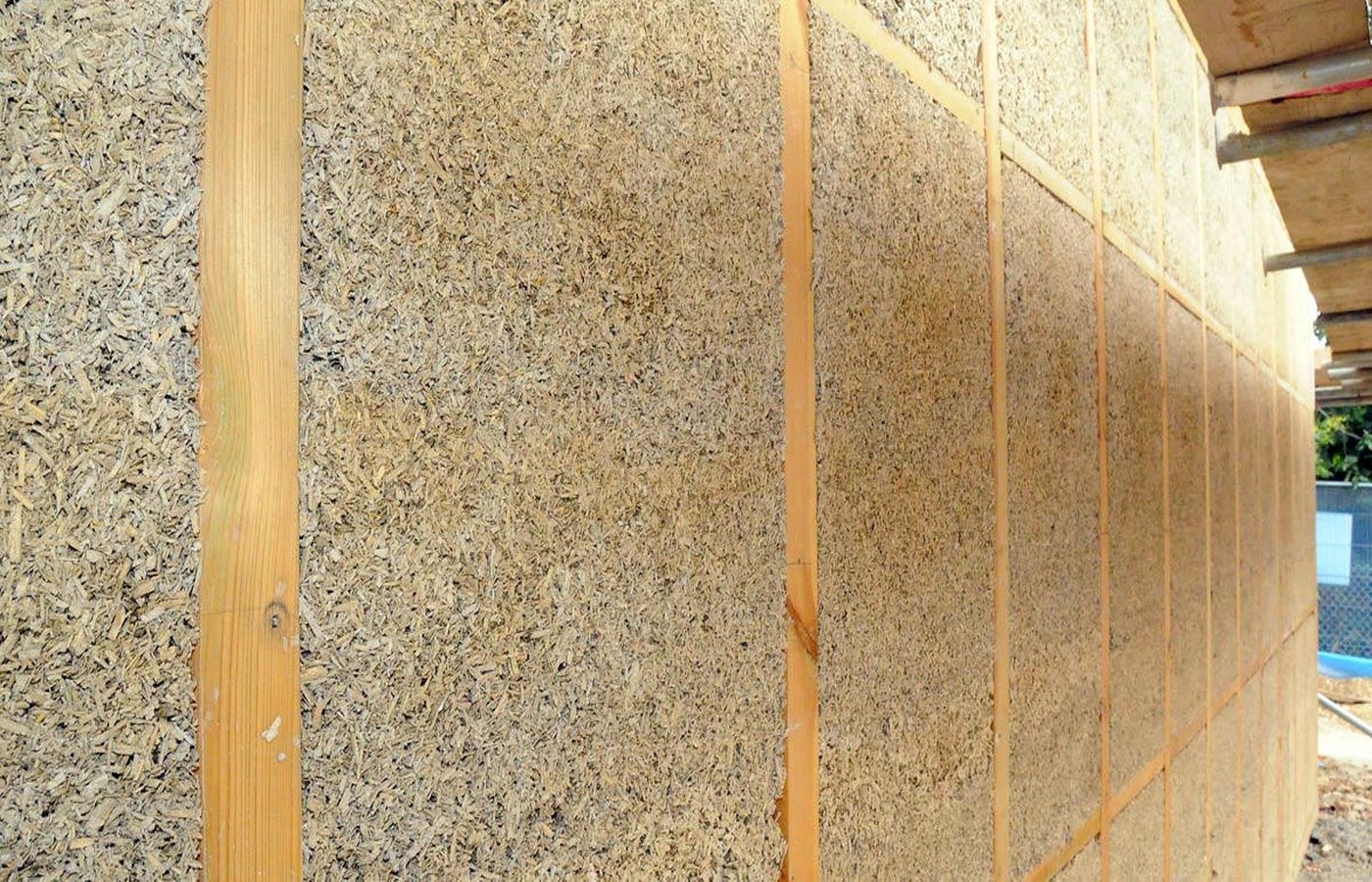
The commercial question is what the fractions become: insulation, packaging, textiles, hempcrete, absorbents, feed, and other bio-based replacements taken from research lots to commercial volumes.
Partnerships
National-laboratory work and a USDA commodities program exist so hemp fractions can be specified into products with a path to scale.
National laboratory
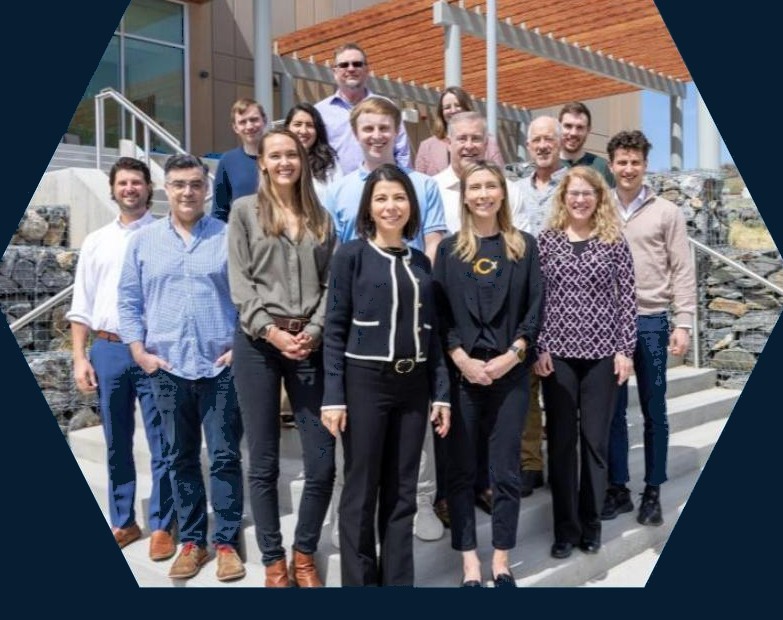
Selected into GCxN Cohort 7. Work with NREL researchers to optimize pretreatment of hemp feedstocks and to examine techno-economic and life-cycle effects before a material is sold as an industrial input.
Federal market program
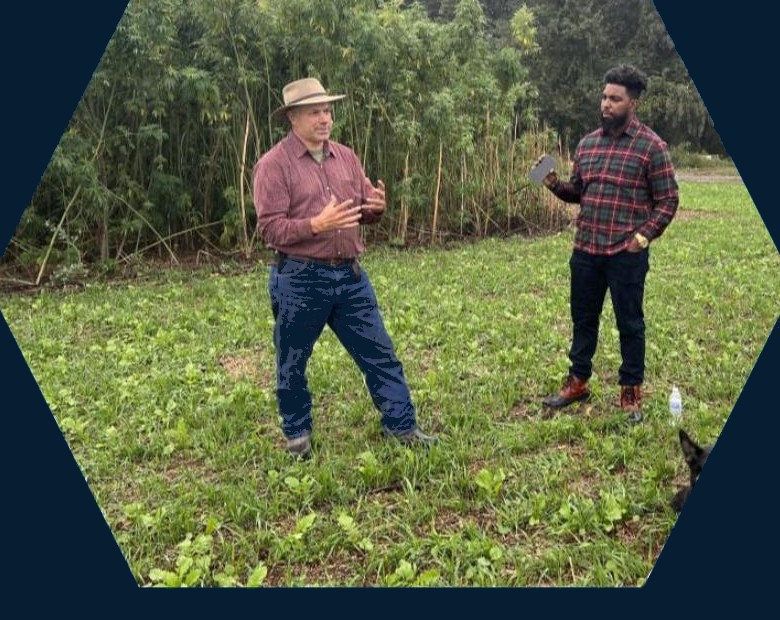
Lead partner on a USDA Partnerships for Climate-Smart Commodities award — the program now continuing as AMP. The grant supported climate-smart hemp production and the market infrastructure around it.
XPrize
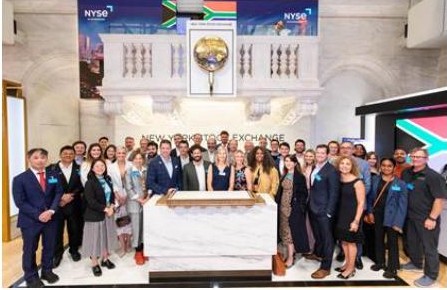
XPrize Carbon Removal semi-finalist. The team was recognized at the New York Stock Exchange for work treating agricultural biomass as a climate and materials platform.
Accomplishments
01
XPrize Carbon Removal semi-finalist. Recognition for treating agricultural biomass as a climate and materials platform.
02
Awarded under Partnerships for Climate-Smart Commodities, now AMP — one of the largest hemp commercialization awards in the program.
03
Current participant in the Shell GameChanger Accelerator powered by NREL, advancing hemp feedstock pretreatment.
04
A complete decortication and fractionation plant is built and operating — midstream infrastructure most of the U.S. hemp market still lacks.
05
Proprietary MMRV platform for soil carbon: measure, report, verify, custody, and transact credits tied to climate-smart commodity production.
06
Industry patents on processing and product pathways, with a backlog of bio-based alternatives moving toward offtake.
End uses
Fractions are developed toward products markets already understand how to buy.
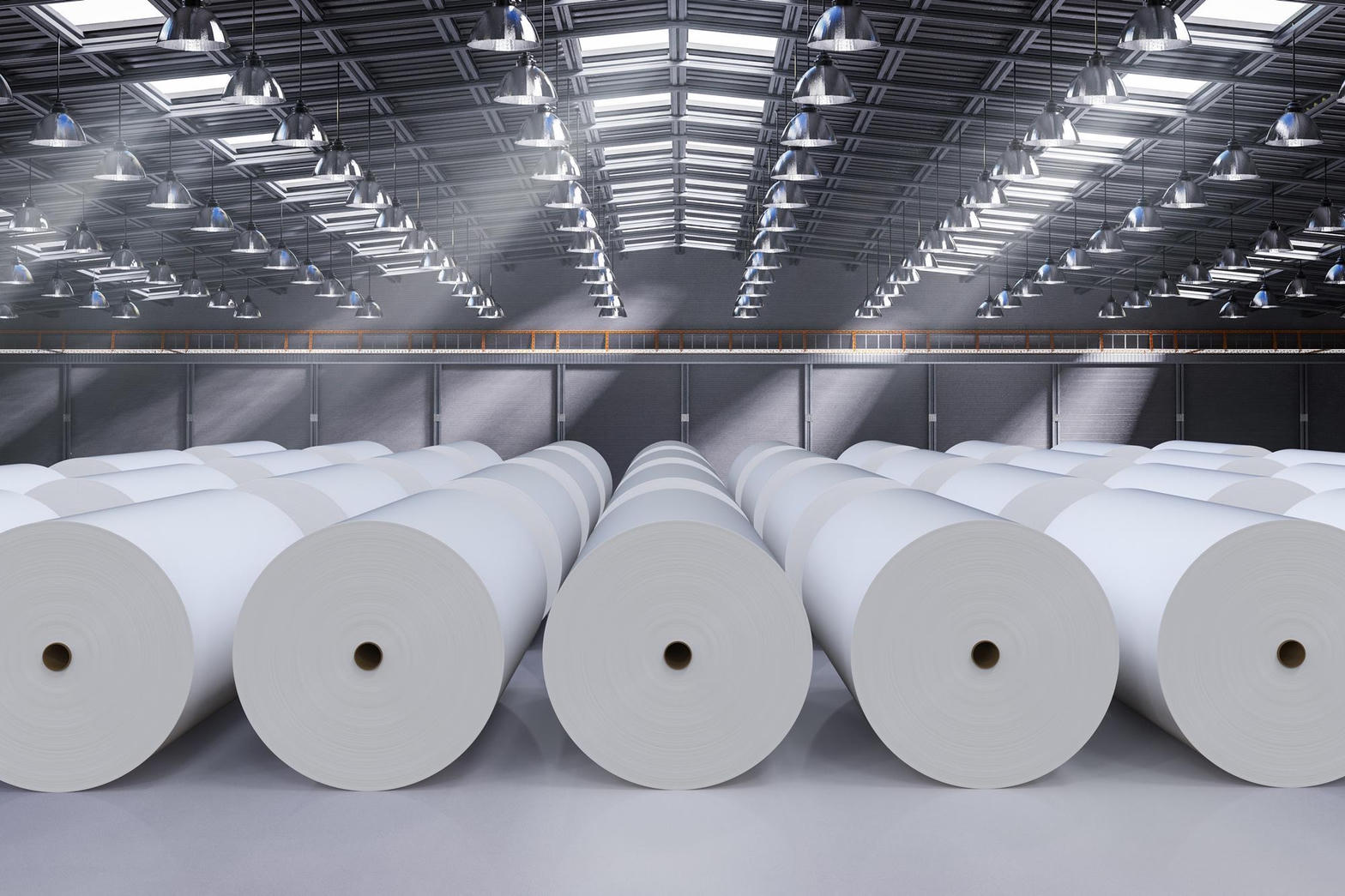
Cellulose
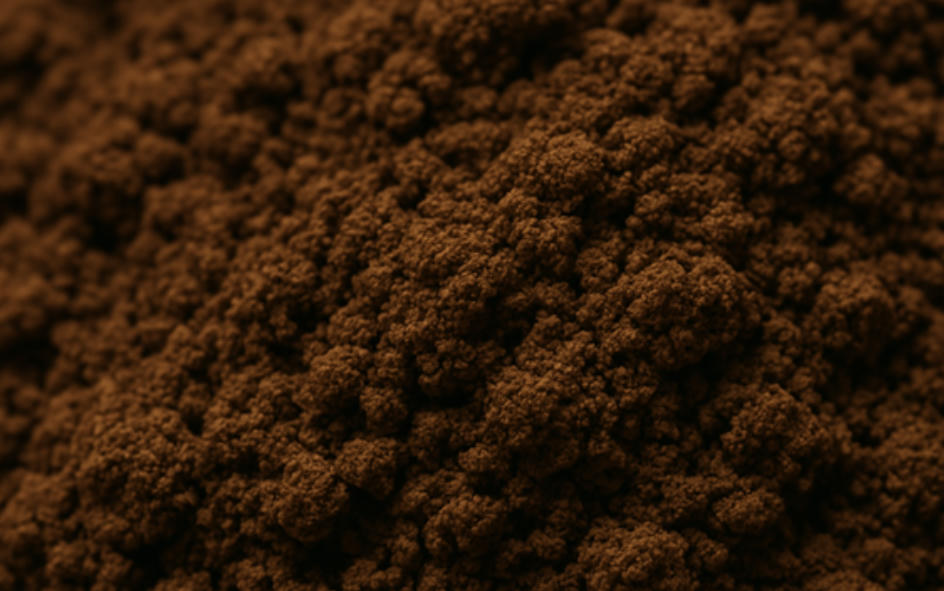
Lignin

Grain and protein fractions
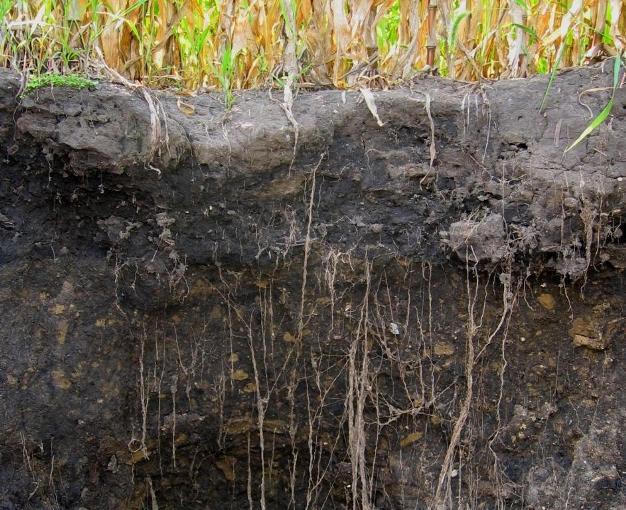
Soil carbon